Pioneering Advances in Green Hydrogen Production through Enhanced Vanadium Integration

Date: 10 Sep 2024 |
September 10, 2024 – A study “Enhancing the oxygen evolution reaction activity of CuCo based hydroxides with V2CTx MXene” from Helmholtz-Zentrum Berlin fur Materialien und Energie, published in Journal of Materials Chemistry A, has revealed a significant advancement in green hydrogen production by enhancing the performance of CuCo-based hydroxides with the integration of V2CTx MXene, a vanadium-based material. This innovation addresses key challenges in the field of sustainable energy, bringing hydrogen production closer to widespread commercial viability.
Key Findings: The research highlights the enhancement of the oxygen evolution reaction (OER), a crucial step in electrochemical water splitting for green hydrogen production, through the integration of vanadium (V2CTx MXene) into copper cobalt (CuCo) hydroxides. The newly developed CuCo@V2CTx composite material demonstrates superior catalytic efficiency and stability compared to conventional CuCo-based catalysts.
Vanadium's Role in Enhancing Efficiency: Vanadium has been identified as a pivotal component in overcoming the limitations of current OER catalysts, which often suffer from stability and conductivity issues. The introduction of V2CTx MXene, a 2D transition metal carbide, significantly improves the hydrophilicity, charge transfer properties, and overall performance of the CuCo catalyst. This strategic integration not only enhances the catalytic activity but also reduces copper leaching, ensuring greater material longevity and operational efficiency over time.
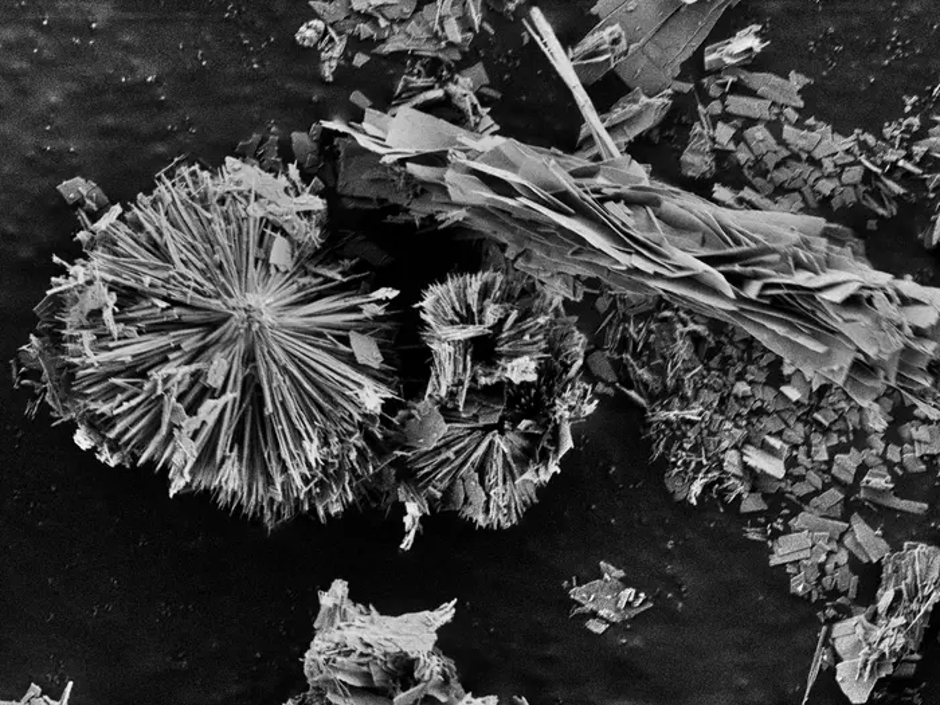
A Leap Forward in Sustainable Energy: Dr. Michelle P. Browne, the lead researcher on the project, commented, "The incorporation of vanadium into our catalyst system has led to a remarkable increase in OER performance, paving the way for more efficient green hydrogen production. This work brings us one step closer to realizing hydrogen as a viable, sustainable alternative to fossil fuels."
The study showcases how V2CTx MXene acts as both a conductive support and an active agent in promoting catalytic reactions, positioning vanadium as a critical element in future energy conversion technologies. The research team demonstrated that composites with higher vanadium content exhibited superior charge transfer and stability, outperforming traditional graphene-based alternatives in similar tests.
Implications for the Future of Green Hydrogen: As global industries push toward carbon neutrality, efficient and sustainable hydrogen production methods are critical. This research not only enhances the understanding of vanadium’s role in electrocatalysis but also offers a clear pathway to improving the scalability and commercial potential of hydrogen production technologies.