Shenyang Approves Battery Manufacturing Project Including 3 GWh Vanadium Flow Battery Capacity

Date: 17 Apr 2026 |
Source: ASIACHEM, 17 April 2026
A major new energy storage manufacturing project featuring vanadium flow battery (VFB) technology has been officially approved in Shenyang, marking a significant step forward in China’s growing long-duration energy storage sector.
The Shenyang Faku Ecological Environment Bureau announced on 13 April that it intends to approve the environmental impact assessment for the 6.5 GWh lithium-ion and 3 GWh vanadium flow battery production project developed by Shenyang Xintai Guancheng Energy Technology Co., Ltd.
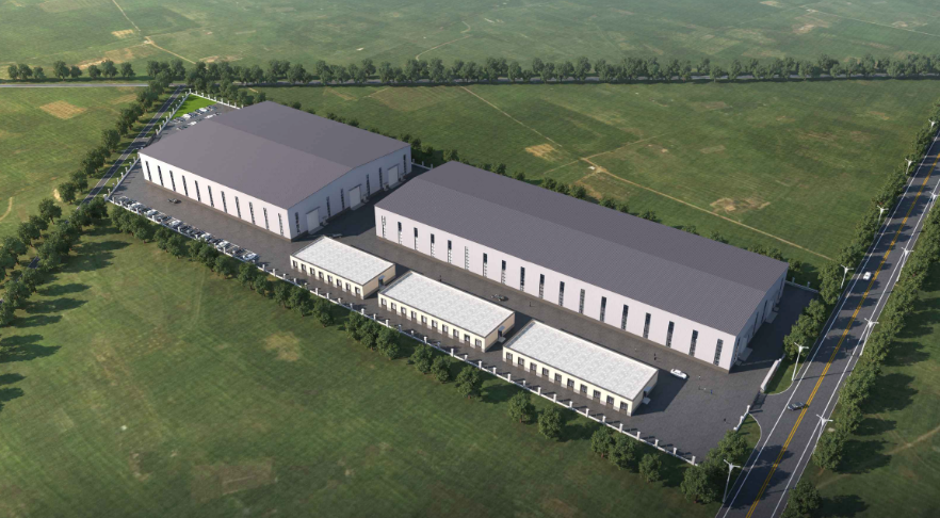
Located in the Liaohe Economic Zone in Faku County, Liaoning Province, the project will be constructed on a site covering approximately 26,291 square metres. The facility will include four lithium battery production lines and two vanadium flow battery production lines, with an annual output capacity of 6.5 GWh of lithium batteries and 3 GWh of vanadium flow batteries.
The total investment in the project is RMB 1.71 billion (approximately USD 235 million), underscoring strong industrial commitment to scaling advanced energy storage technologies.
Vanadium flow batteries are increasingly recognised as a key solution for large-scale, long-duration energy storage due to their safety, long cycle life, and ability to support renewable energy integration. The inclusion of a dedicated 3 GWh VFB production line highlights growing confidence in vanadium-based storage technologies within China’s energy transition strategy.
Shenyang Xintai Guancheng Energy Technology Co., Ltd., established in May 2024 with a registered capital of RMB 10 million, is leading the project. The company has undergone recent investment changes, reflecting evolving stakeholder participation as the project advances.
The development forms part of a broader regional push to build an integrated new energy industrial chain in Faku County. Previous initiatives include large-scale investment projects covering wind power equipment manufacturing and advanced energy storage systems, reinforcing the area’s strategic positioning as a hub for clean energy innovation.
Once operational, the project is expected to contribute significantly to domestic battery manufacturing capacity while supporting China’s ambitions for renewable energy deployment and grid stability.